

BAE Systems has finalised an upgraded Link 16 test capability for the Multifunctional Information Distribution System Joint Tactical Radio System (MIDS JTRS) terminals on US Air Force F-16 aircraft.
This Month's Highlights
Trending Topics
Autonomous Systems and Uncrewed Platforms
high
The rapid advancement and integration of autonomous systems across various military domains are evident, signaling a significant shift in operational capabilities and strategic planning.
Key Points:
The US Air Force is seeking nearly $1B for initial Collaborative Combat Aircraft (CCA) procurement, moving from prototypes to production.
Boeing successfully landed a Chinook helicopter without a pilot at the controls, demonstrating advanced autonomous flight capabilities.
The US Marine Corps is actively seeking robots for airfield construction, indicating a move towards autonomous support functions.
These developments underscore a growing reliance on autonomous and uncrewed platforms to enhance operational efficiency, reduce human risk, and expand mission sets across air and ground domains.
Modernization of Air Power and Aircraft Fleets
high
Global air forces are undergoing significant modernization efforts, focusing on upgrading existing platforms, acquiring advanced combat aircraft, and developing new capabilities to maintain air superiority.
Key Points:
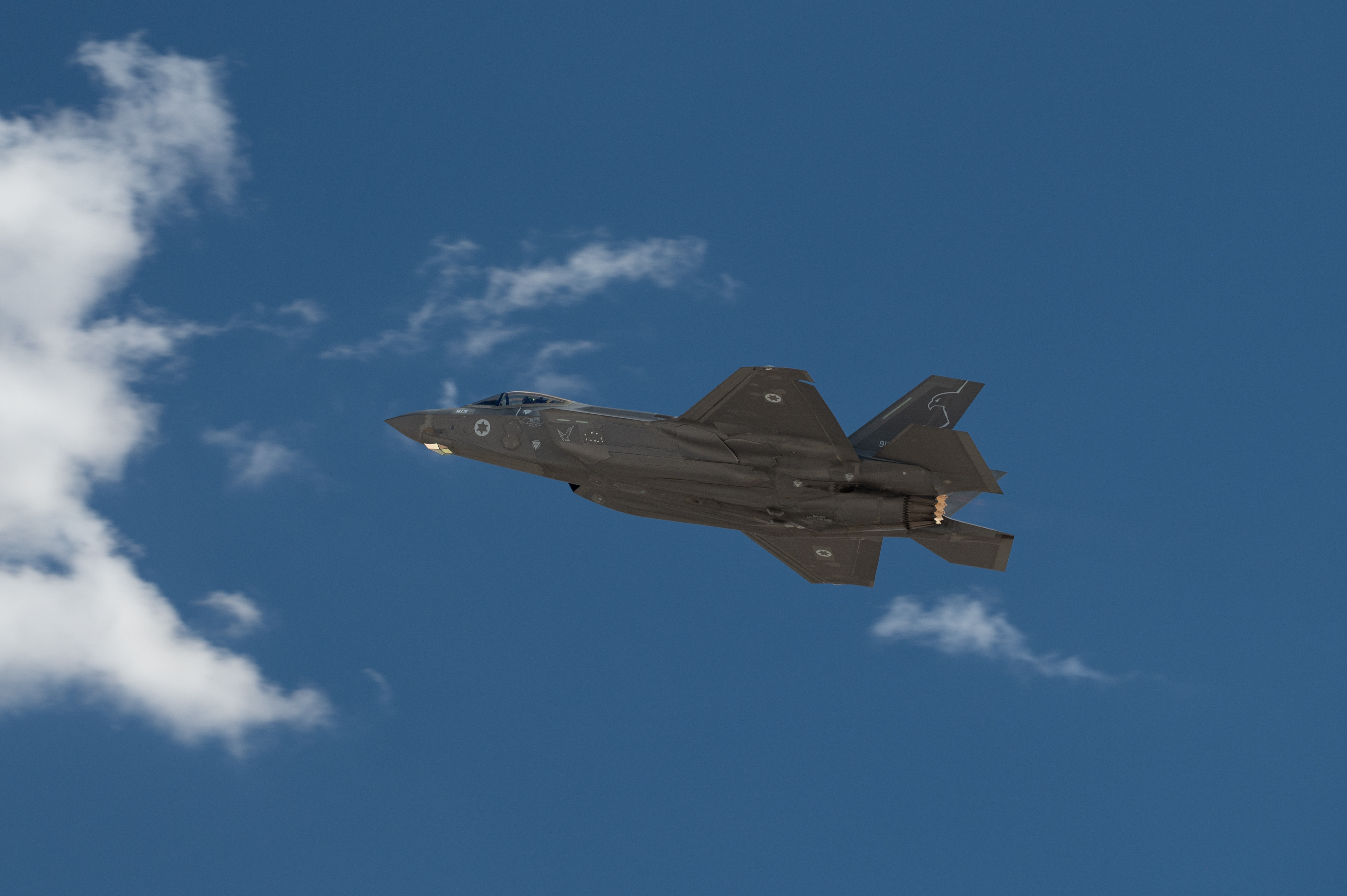
Israel plans to extend the range of its F-35I aircraft and purchase more F-35 and F-15 warplanes, indicating a focus on enhancing long-range strike and air combat capabilities.
The B-52 engine replacement program has cleared critical design review, with modifications scheduled to begin this year, extending the operational life of the strategic bomber fleet.
The Air Force has cleared the T-7A Red Hawk for low-rate production, signifying progress in modernizing pilot training aircraft.
These modernization initiatives are critical for maintaining a competitive edge in contested environments and ensuring the long-term viability of air power assets.
Counter-Drone and Electronic Warfare Capabilities
high
The proliferation of uncrewed aerial systems (UAS) is driving demand for advanced counter-drone solutions and sophisticated electronic warfare (EW) systems to protect assets and disrupt adversary operations.
Key Points:
NATO nations are exploring an interceptor-drone market where cost-effectiveness is a primary driver for procurement.
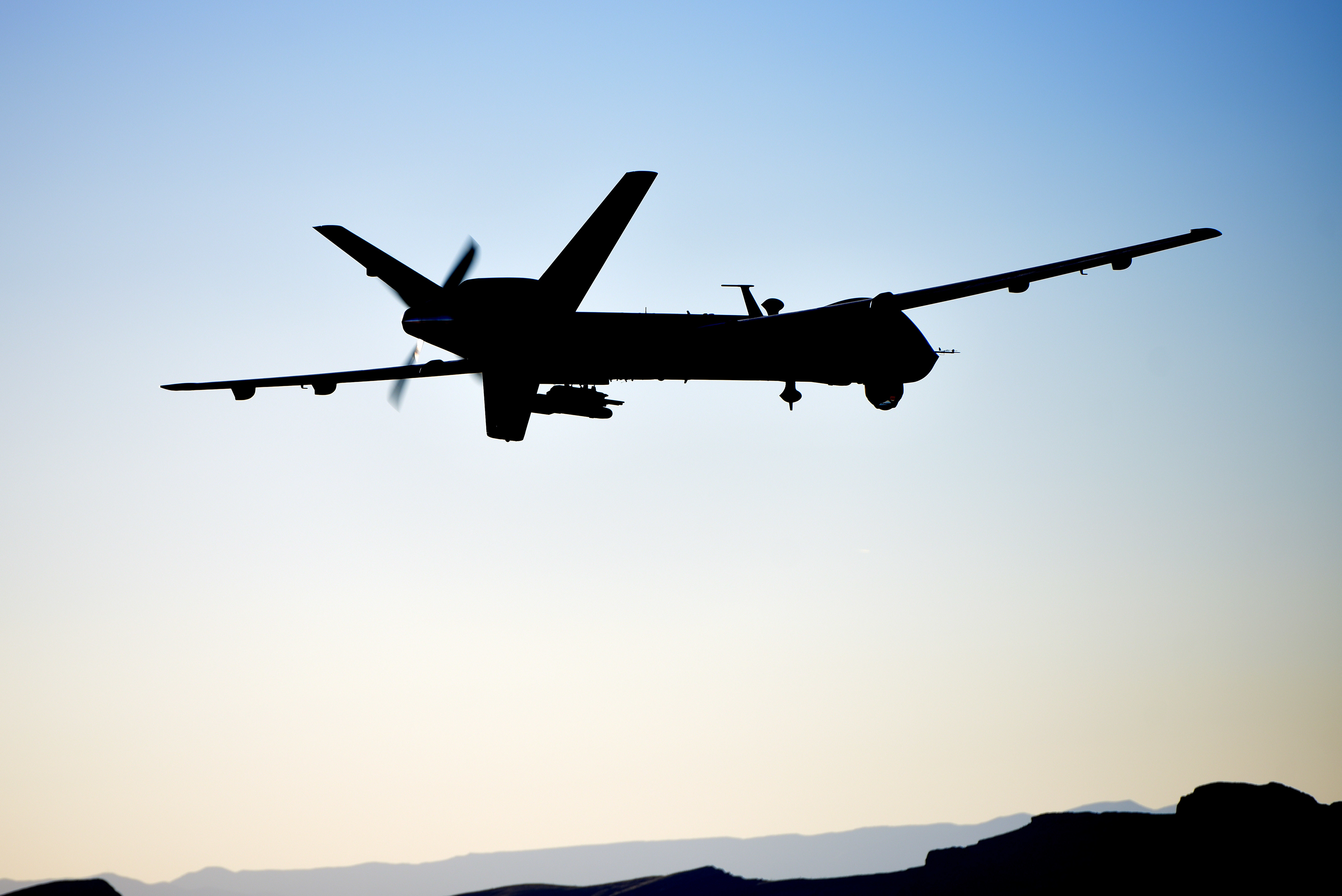
The Air Force MQ-9 fleet has decreased to 135 aircraft following combat losses in Iran, highlighting the vulnerability of current platforms to advanced threats.
Rafael has introduced a miniature EW system specifically designed for uncrewed aerial platforms, indicating a focus on enhancing the survivability and operational effectiveness of drones.
The emphasis on low-cost interceptors and specialized EW systems for drones reflects an urgent need to address evolving threats posed by UAS in modern warfare.
International Defense Cooperation and Technology Transfer
high
Strategic alliances and partnerships are increasingly vital for defense innovation, joint development, and the procurement of advanced military technologies, fostering interoperability and shared security interests.
Key Points:
Ukraine and Germany have signed a Letter of Intent for joint defense technology development, signaling deeper collaboration in military innovation.
NATO is considering a Swedish-Canadian jet for its AWACS role, indicating a potential shift away from traditional suppliers like Boeing and fostering new international partnerships.
The Peruvian Air Force has ordered a fifth C-27J Spartan tactical airlifter, demonstrating continued international procurement of proven platforms.
These collaborations are crucial for pooling resources, sharing expertise, and developing interoperable systems that enhance collective defense capabilities and address common security challenges.
Logistics and Cargo Innovation
high
Innovations in logistics and cargo handling are critical for enhancing military readiness, improving deployment capabilities, and optimizing the efficiency of supply chains in complex operational environments.
Key Points:
The US Air Force is exploring the launch of cheap missiles from cargo aircraft, indicating a novel approach to expanding strike capabilities and leveraging existing platforms.
Stratom and AFRL have demonstrated a new C-130 cargo handling system, aiming to improve the efficiency and speed of loading and unloading operations for tactical airlifters.
AEVEX has been contracted by the USAF for Group 3 autonomous aircraft delivery, suggesting a move towards autonomous solutions for logistical support and resupply missions.
These advancements in logistics and cargo innovation are vital for projecting power, sustaining operations, and adapting to the dynamic demands of modern military engagements.
Key Terms
F-35/F-15 Procurement & Upgrades
Drone Warfare & Counter-Drone Systems
Autonomous Systems & Robotics
Next-Gen Air Combat (CCA)
Strategic Airlift & Cargo Innovation
Electronic Warfare (EW) Advancements
Missile Development & Deployment
International Defense Cooperation
Aircraft Modernization & Engine Upgrades
NATO Modernization & Procurement
Geopolitical Tensions & Regional Conflicts
Pilot-Optional Aircraft & Uncrewed Platforms
Supply Chain & Production Challenges
Defense Market & Procurement Trends
Related Articles
BAE Systems upgrades Link 16 testing for US Air Force F-16s
Four major changes to Kh-101 cruise missile since full-scale war began
Russia has reportedly made four major modifications to the conventional Kh-101 cruise missile so often used in its hybrid salvos.
Peruvian Air Force orders fifth C-27J Spartan tactical airlifter
The Peruvian Air Force has ordered an additional C-27J Spartan multirole tactical airlifter, bringing its total fleet to five.
Rafael introduces miniature EW system for uncrewed aerial platforms
Israeli defence technology company Rafael has introduced Storm Shield, a miniature electronic warfare (EW) system designed for uncrewed aerial vehicles (UAVs).
Israel to extend F-35I range amid war with Iran
Elbit Systems was awarded the development contract, valued at approximately $34 million (100 million NIS).
USAF contracts AEVEX for Group 3 autonomous aircraft delivery
The US Air Force (USAF) has awarded AEVEX a $18.5m contract to supply autonomous aircraft for One Way Attack (OWA) missions.
Air Force MQ-9 fleet drops to 135 aircraft after Iran combat losses
The Air Force is seeking to backfill the inventory of MQ-9 Reapers and field a cheaper, more expendable replacement.
Parsons secures place on US Air Force architect-engineer contract
USAF has selected Parsons for a position on a multiple award task order contract to provide architect-engineer services at Hill Base.
GA-ASI, US Air Force conduct APKWS demonstration on MQ-9A Reaper
GA-ASI, working with the USAF, has completed flight tests of the APKWS on the MQ-9A Reaper remotely piloted aircraft.
Austrian jets intercept US military planes two days in a row
The May 10 intercept reportedly took place over the Totes Gebirge mountain range in Upper Austria, over 60 kilometers from the German border.
Forecasts: Saudi Arabia’s defence market
Saudi Arabia is about to embark on a five-year period of intense defence spending, with the air domain looking to be the primary focus.
Ukraine and Germany sign LoI for joint defence tech development
Ukraine and Germany have agreed to launch Brave Germany, a joint initiative aimed at developing defence tech and supporting start-ups.
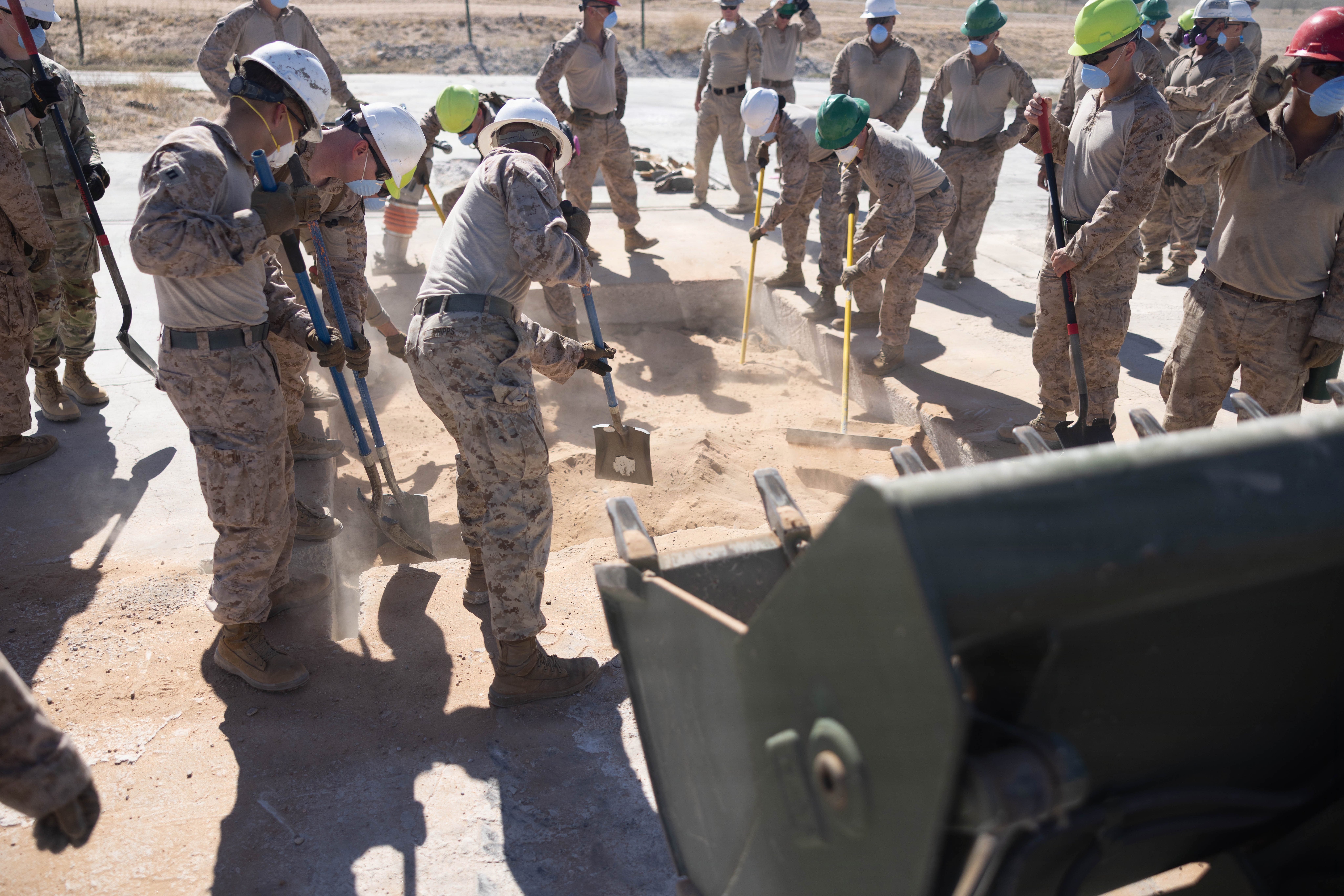
The US Marine Corps is looking for a few good robots to build airfields
For Marines who have toiled over assembling airfields in austere environments, relief may be on the way.
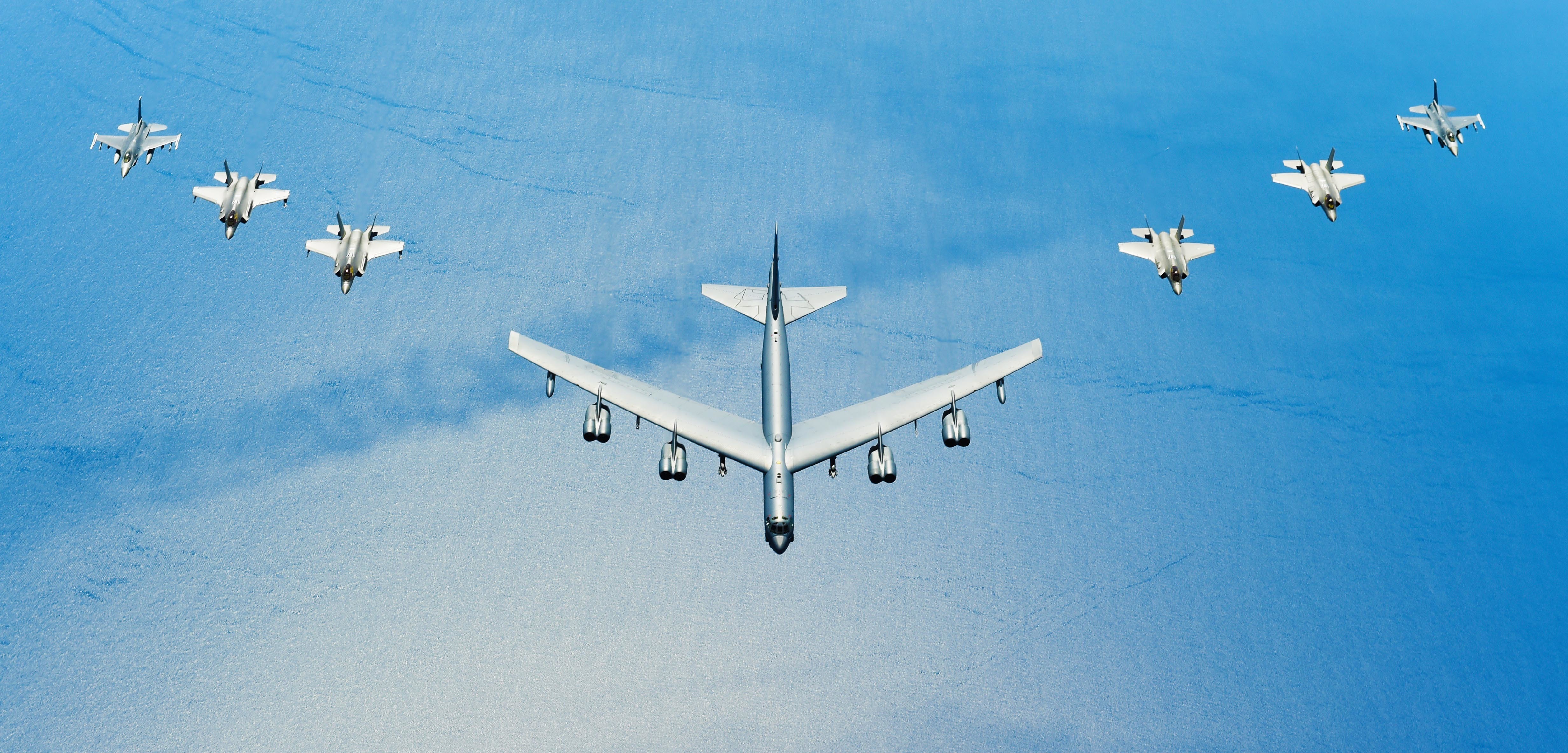
B-52 engine replacement clears critical design review, first modifications to begin this year
The Air Force’s program to replace the B-52H Stratofortress’s 1960s-era engines cleared its critical design review, the service announced May 4.
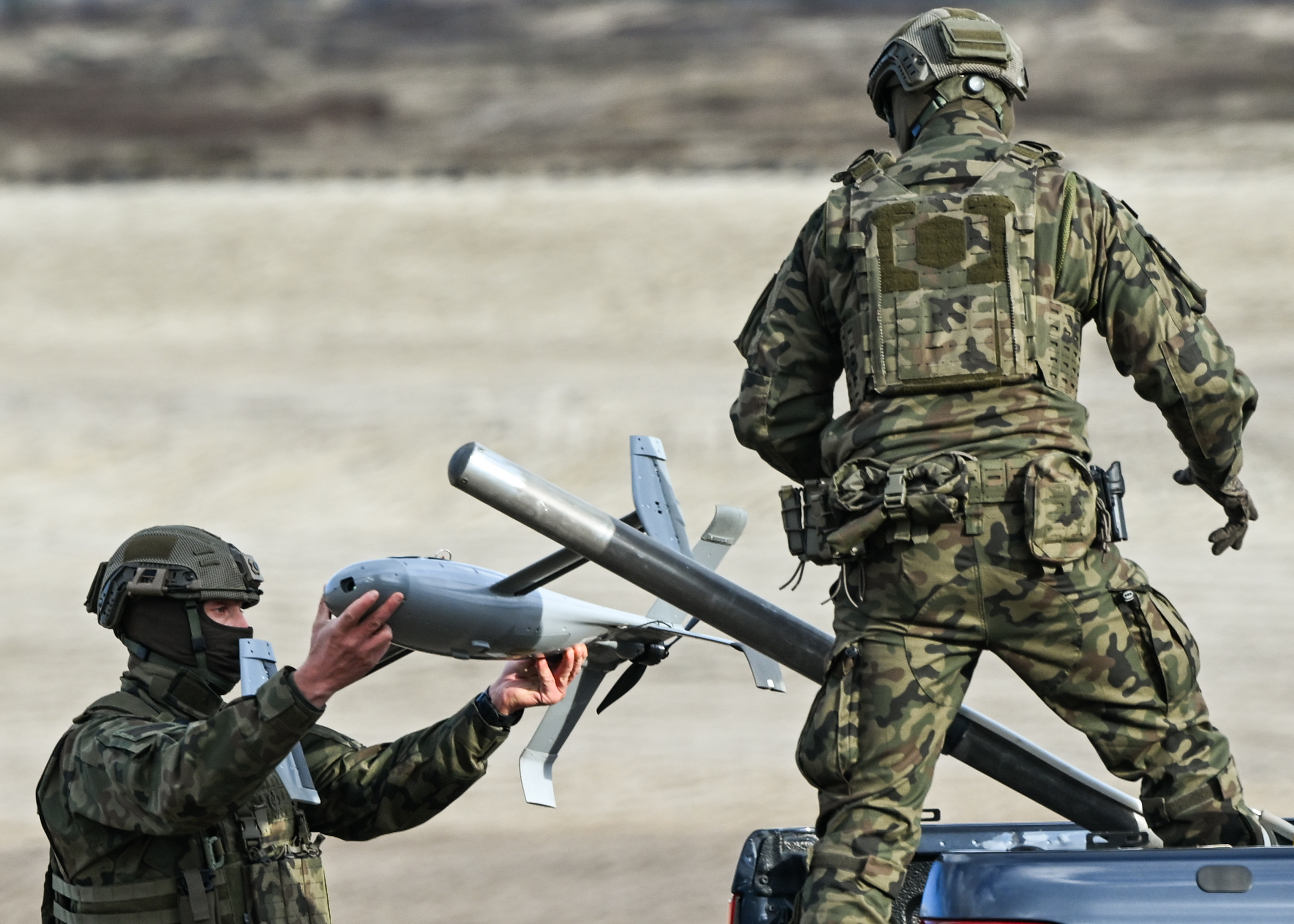
NATO nations size up an interceptor-drone bazaar where low price is everything
A price point advantage is no longer measured in millions of dollars below the competition, but in mere thousands.

Air Force clears T-7A Red Hawk for low-rate production
The decision authorizes a $219 million contract for the first 14 aircraft.
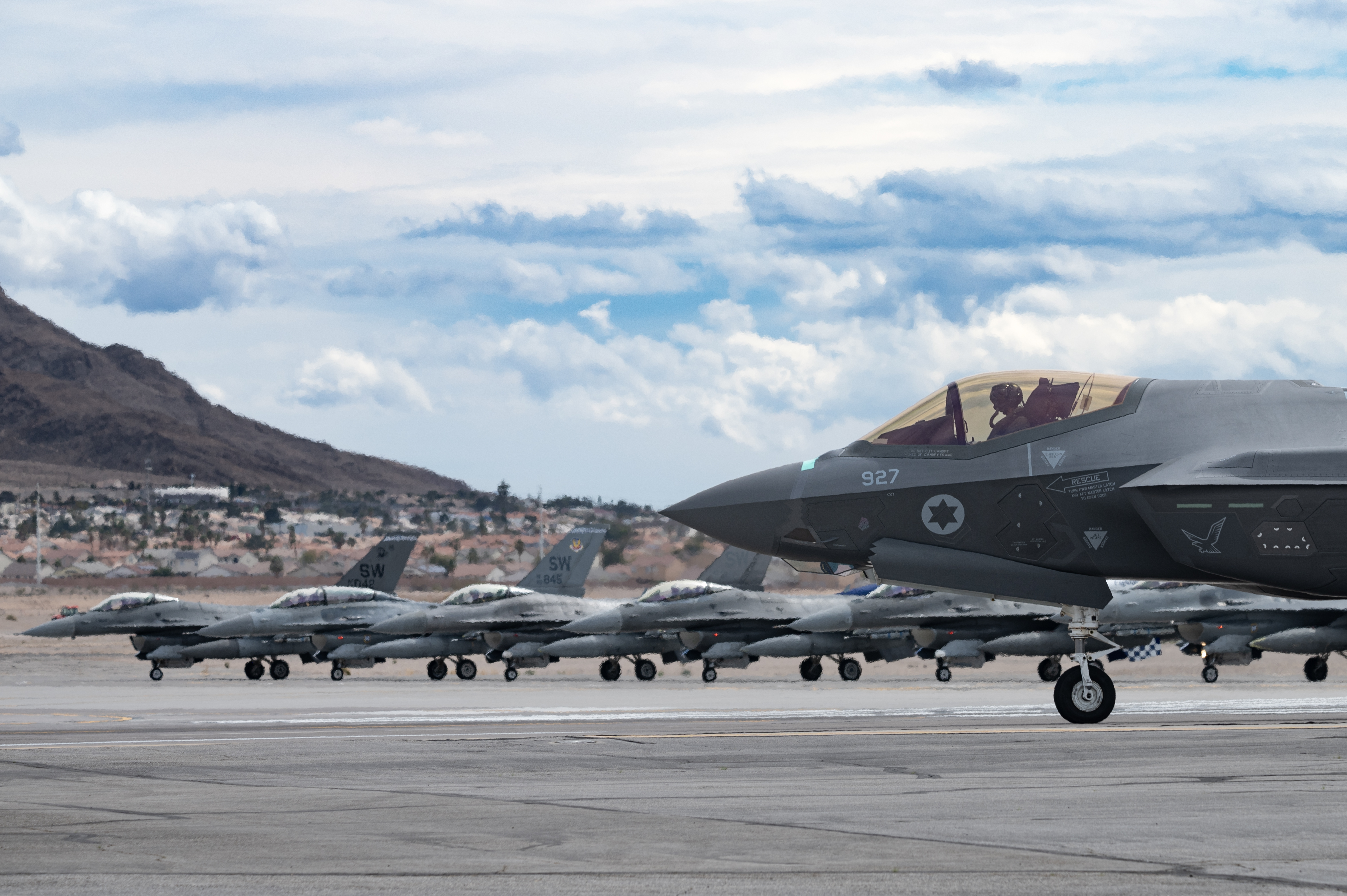
Israel to buy more F-35 and F-15 warplanes
The aircraft purchases are part of a decade-long modernization plan to the tune of $118 billion, the government said.
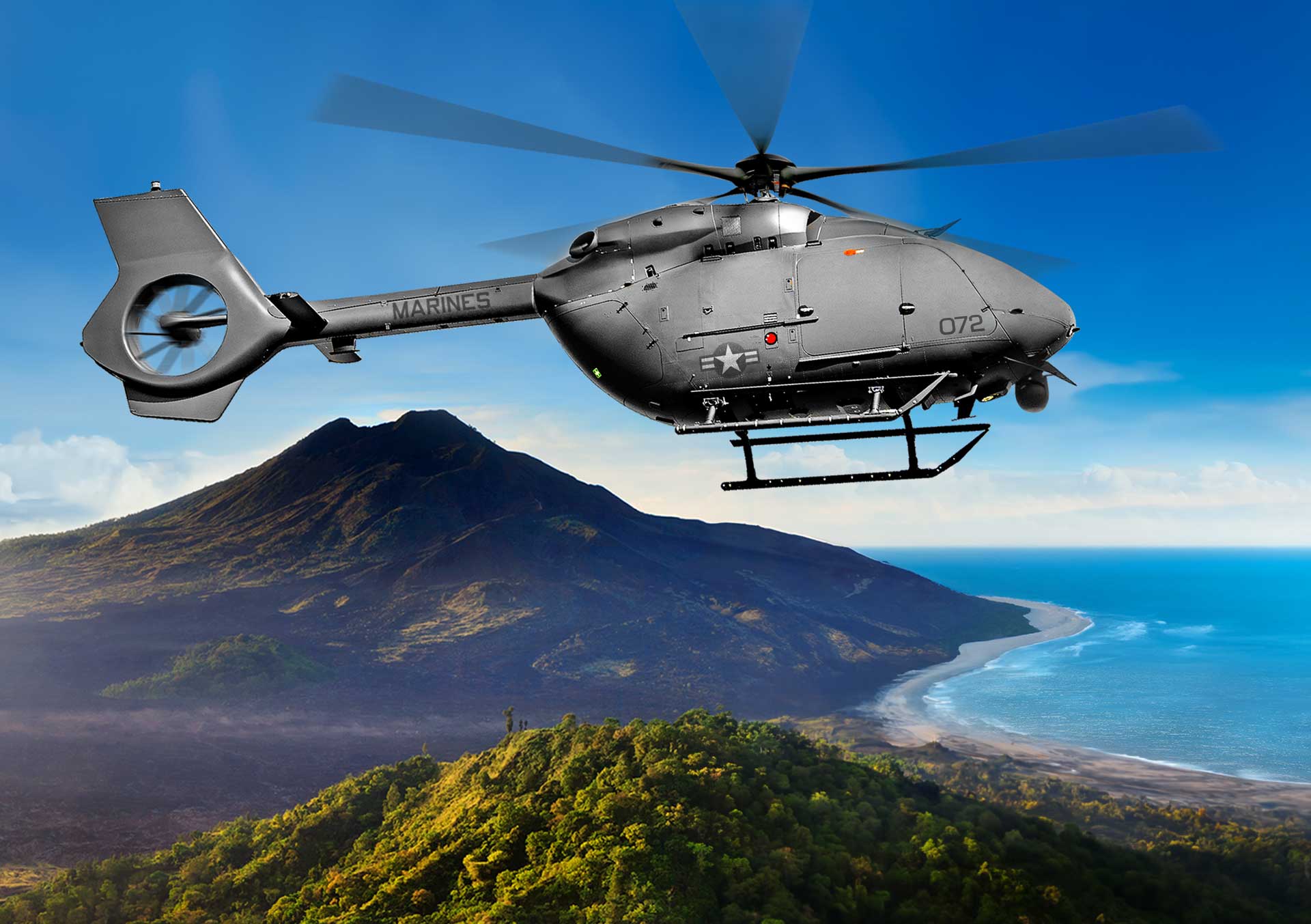
Pacific Marines will be first to test-drive new pilot-optional helicopter
The service is “aggressively pursuing” an operational demo in for the Aerial Logistics Connector.
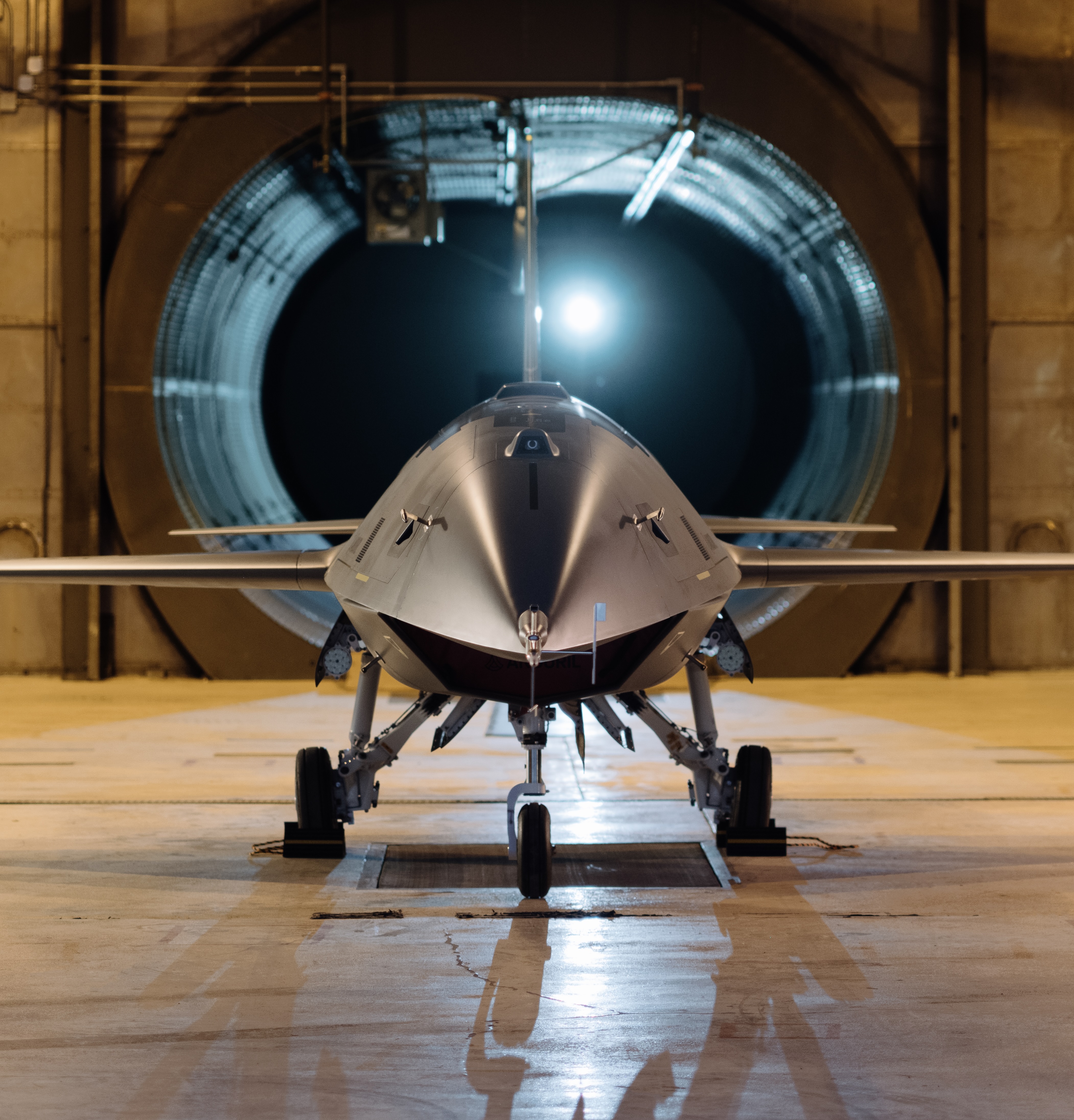
From prototypes to production: US Air Force seeks nearly $1B for initial CCA procurement
In a first, the Air Force is asking Congress to fund the purchase of Collaborative Combat Aircraft, marking the beginning of the “loyal wingman" era.
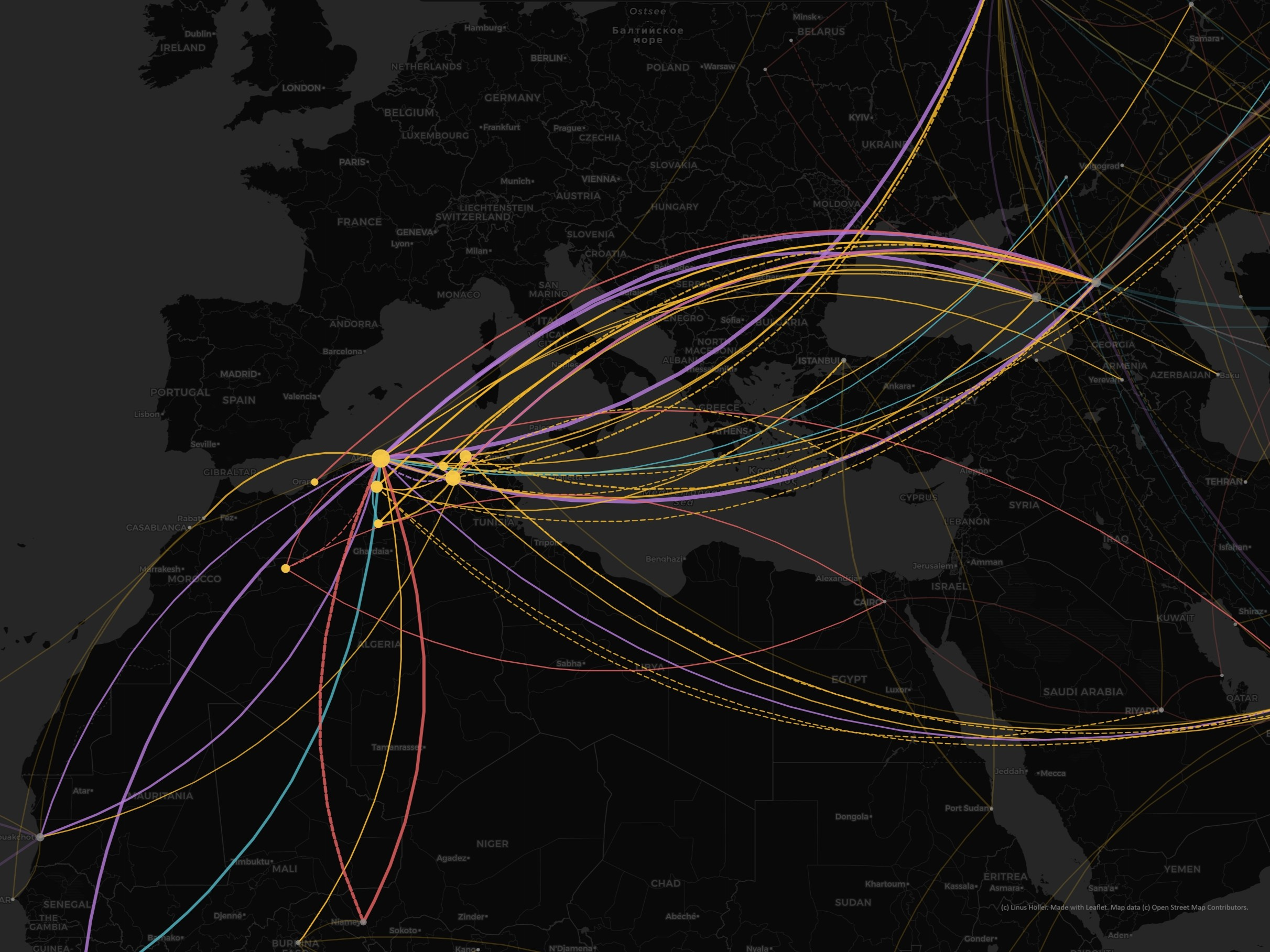
Investigation: Russian shadow airlines use Algeria as base for secretive missions
Algeria has become a key customer for Russian arms at a time when Moscow has seen a slump in its military-export business after the invasion of Ukraine.