
This post demonstrates a comprehensive observability solution using Amazon Managed Grafana dashboards that provides a holistic view of both quality and quantity for LLMs served on Amazon SageMaker AI ...
This Month's Tech Highlights
Trending Topics
AI Hardware and Infrastructure Investment
high
The escalating global competition in artificial intelligence is driving massive investments in specialized AI hardware and cloud infrastructure, with major players committing hundreds of billions to secure their positions.
Key Points:
Nvidia is signaling a $150 billion spend in Taiwan, indicating a significant commitment to advanced semiconductor manufacturing and supply chain resilience for AI components.
Nvidia's Vera chip represents a US$200 billion bet, highlighting the immense capital expenditure and strategic importance placed on next-generation AI accelerators.
Blackstone is investing $5 billion in an AI Cloud Company that leverages Google TPUs, demonstrating the increasing demand for and investment in scalable AI-specific cloud compute resources.
These substantial investments underscore a strategic imperative to control the foundational compute and hardware layers essential for future AI development and deployment.
Advanced AI Chip Architectures
high
The design paradigm for AI chips is evolving rapidly, moving beyond general-purpose accelerators to specialized architectures tailored for agent-based systems and autonomous operations.
Key Points:
Alibaba is designing AI chips specifically around agents, indicating a shift towards architectures optimized for autonomous, decision-making AI entities rather than just raw computational throughput.
NASA's new AI space chip is designed to enable spacecraft to 'think for themselves,' suggesting on-board, autonomous AI processing capabilities are becoming critical for deep-space missions.
Nvidia is tapping a British AI startup to build the 'Next Frontier' of AI, implying a focus on innovative chip designs and software stacks that push beyond current deep learning paradigms.
This architectural diversification reflects a deeper understanding of AI's varied computational needs, moving towards more efficient and specialized processing at the edge and in complex agentic systems.
AI in Critical Infrastructure and Automation
high
Artificial intelligence is being rapidly integrated into critical national infrastructure and industrial automation, promising enhanced efficiency and strategic advantages.
Key Points:
China’s AI has mapped its entire renewable energy grid, demonstrating the application of AI for optimizing and managing large-scale, complex energy systems.
Physical AI is moving closer to factory floors as companies test humanoid robots, indicating the deployment of AI-powered robotics for advanced automation and potentially flexible manufacturing.
Russia is pressuring university students to become wartime drone pilots, highlighting the military application of AI-enabled autonomous or semi-autonomous systems in conflict scenarios.
The strategic deployment of AI in these sectors underscores its transformative potential for national security, economic competitiveness, and operational efficiency.
AI Governance and Policy Influence
high
The development of AI governance and safety regulations is subject to significant influence from powerful tech leaders, potentially shaping the regulatory landscape through direct engagement with political figures.
Key Points:
Musk, Zuckerberg killed Trump's AI safety order in three phone calls, illustrating the direct and potent lobbying power of tech magnates on national AI policy.
Musk and Zuckerberg convinced Trump to scrap an AI executive order, reinforcing the notion that private sector influence can directly derail governmental attempts at AI regulation.
Proposed new US funding rules allow grants to be canceled at any time, which could indirectly impact AI research funding if political priorities shift or if research is deemed non-compliant with evolving, potentially influenced, policy directives.
This demonstrates a critical tension between governmental attempts to regulate AI and the powerful influence of private sector leaders, with significant implications for future AI safety and ethical guidelines.
Cybersecurity Threats and Nation-State Activities
high
The landscape of cybersecurity threats continues to evolve, with sophisticated botnets and critical vulnerabilities posing significant risks, often linked to nation-state actors.
Key Points:
A botnet of more than 17 million devices was dismantled, indicating the pervasive nature and scale of compromised systems used for malicious activities.
CVE-2026-0300 | Palo Alto Networks PAN-OS Remote Code Execution | Critical Remote Access Risk highlights a severe vulnerability in widely used network security appliances, presenting a significant attack vector for sophisticated adversaries.
Kazuar: Anatomy of a nation-state botnet provides insight into the structure and operation of advanced persistent threats (APTs) orchestrated by state-sponsored groups.
These incidents underscore the ongoing necessity for robust threat intelligence, rapid vulnerability patching, and international cooperation to counter increasingly complex and state-sponsored cyber threats.
Key Terms
AI Development & Geopolitics
US Political Interference in Tech/Science
Global Health Crises (Ebola)
Space Exploration & Failures
Cybersecurity Threats (Botnets, RCE)
Semiconductor Industry & Investment
AI Ethics & Regulation
Renewable Energy & AI
Advanced Medical Treatments
Military Tech & Geopolitics (Drones)
Telecommunications Infrastructure
Physical AI & Robotics
Nation-State Cyber Operations
Related Articles
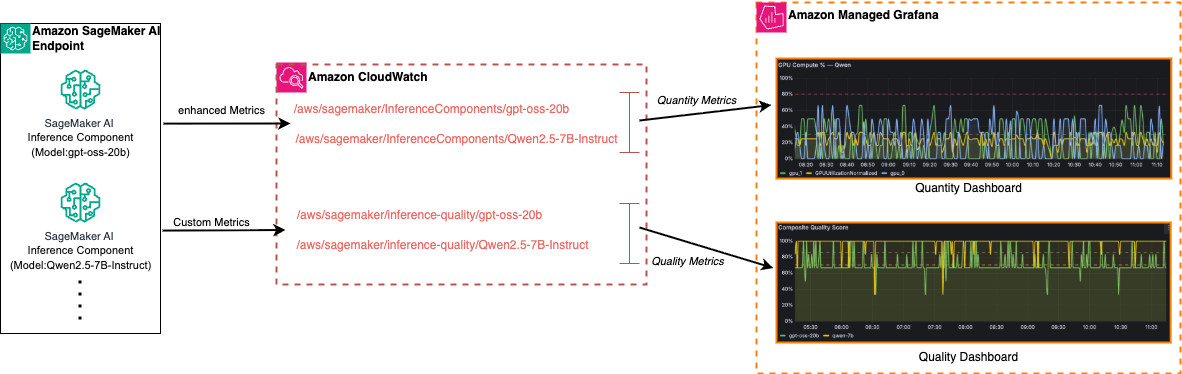
Comprehensive observability for Amazon SageMaker AI LLM inference: From GPU utilization to LLM quality

Anthropic releases Claude Opus 4.8
Anthropic has released Claude Opus 4.8, an upgrade to Claude Opus 4.7 that the company says brings improved results for coding, agent work, reasoning, and knowledge work. The platform can be used thro...
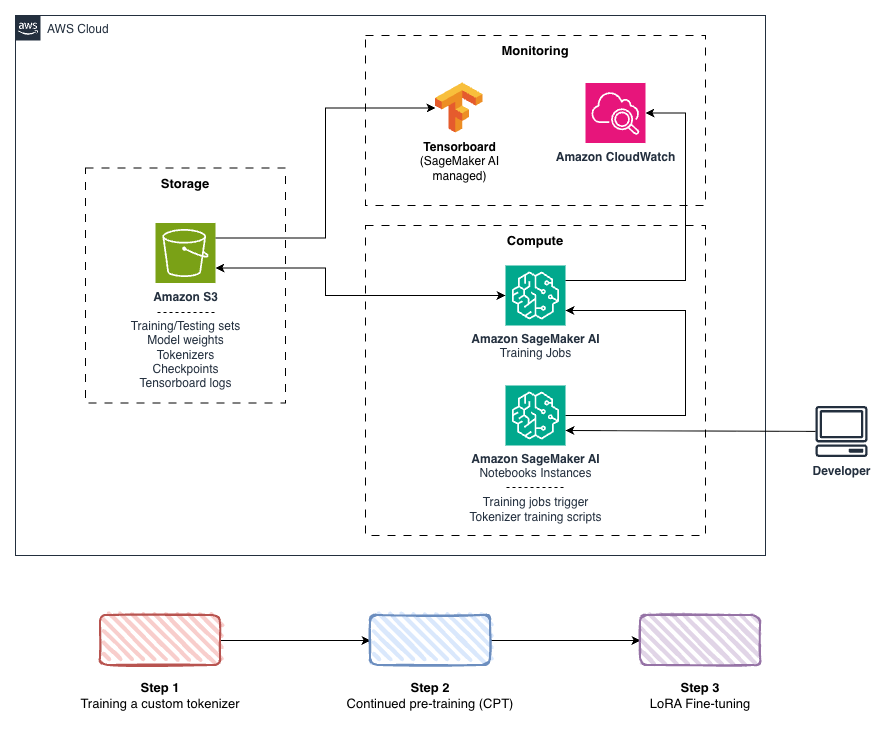
Training Azerbaijani language models on Amazon SageMaker AI
Azercell Telecom LLC, Azerbaijan's leading telecommunications provider, wanted to build an Azerbaijani large language model (LLM) on Amazon SageMaker AI for telecom use cases and a customer-facing cha...
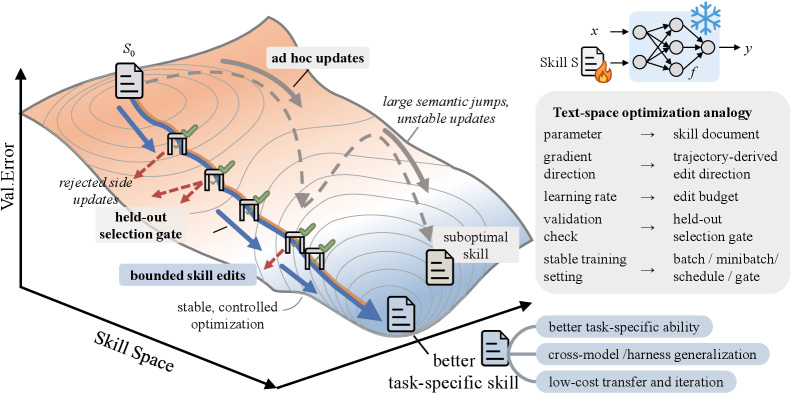
Can your AI agent actually learn from its mistakes or just keep repeating them?
SkillOpt: Executive Strategy for Self-Evolving Agent Skills

Did Google’s AI agents really build an operating system for $916?
The importance of independent evaluation
curl: Negotiate Authentication Premature on Connection Reuse
curl: Negotiate Authentication Premature on Connection Reuse
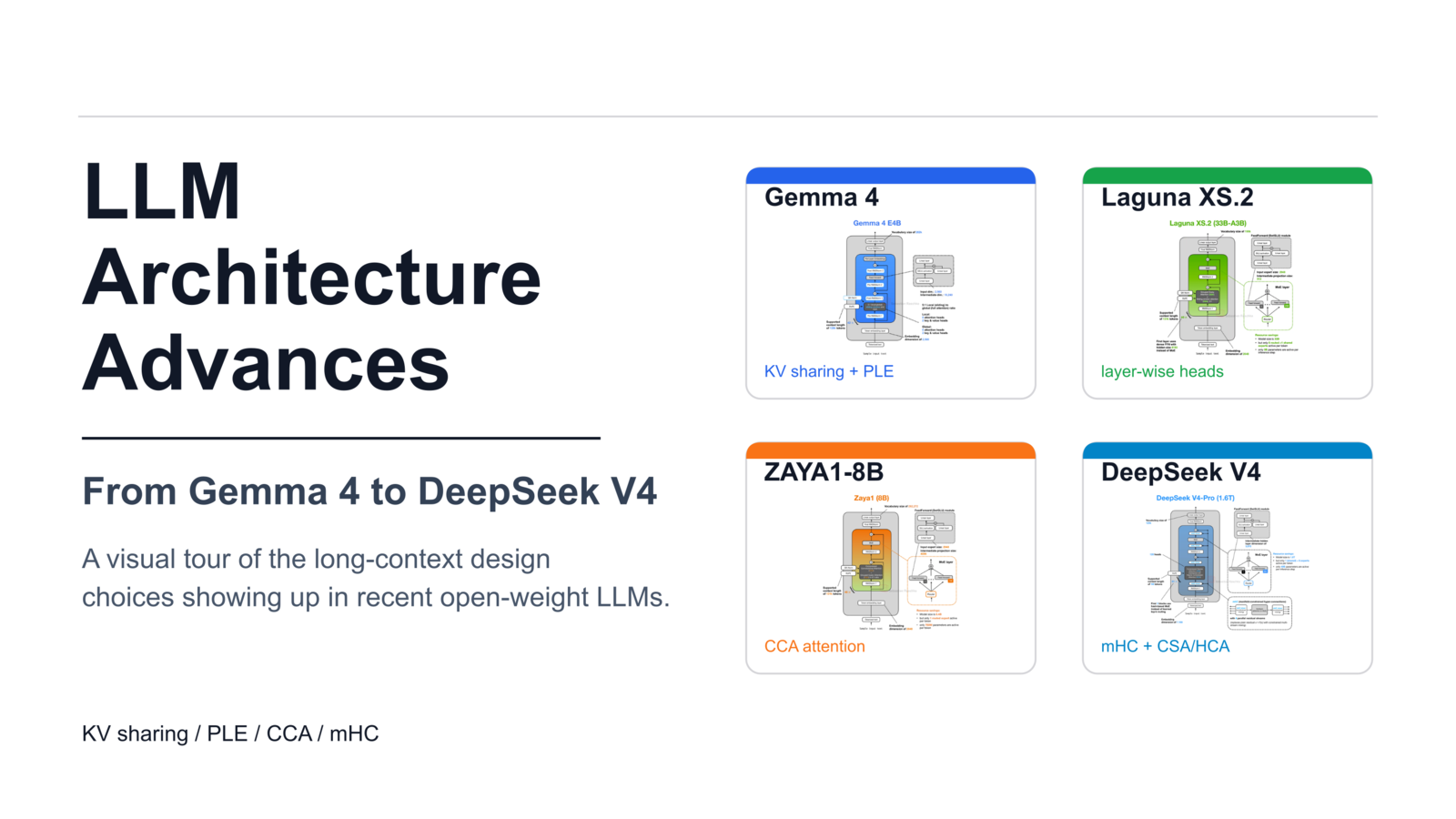
Recent Developments in LLM Architectures: KV Sharing, mHC, and Compressed Attention
From Gemma 4 to DeepSeek , How New Open-Weight LLMs Are Reducing Long-Context Costs
CVE-2026-0300 | Palo Alto Networks PAN-OS Remote Code Execution | Critical Remote Access Risk
CVE-2026-0300 enables unauthenticated remote code execution in PAN-OS, posing a critical risk to enterprise and government networks.
Thinking carefully before adopting agentic AI
When it comes to using agentic AI, make sure you can walk before you run.
NASA’s new AI space chip could let spacecraft think for themselves
NASA is testing a next-generation space computer chip that could give spacecraft the ability to operate far more independently in deep space. The radiation-hardened processor is showing performance le...
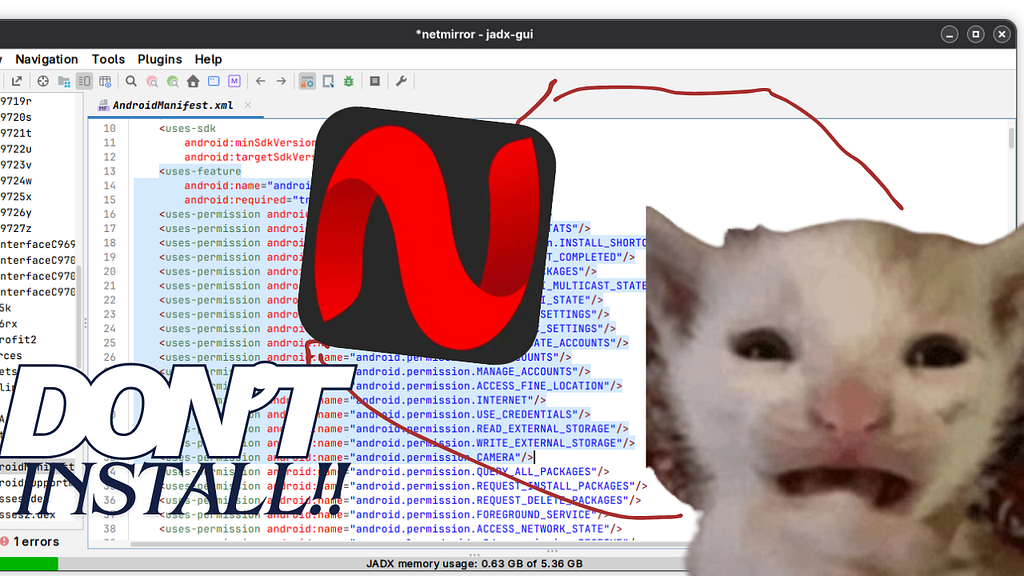
I Reverse Engineered this Android Application and here’s what i found!
Yo, everyone, This is Alham Rizvi and welcome to another crazy write-up. Today I wasted like 3 hours analyzing the decompiled and reverse-engineered code of a modded application from an OTT platform c...
[local] Windows Snipping Tool - NTLMv2 Hash Hijack
Windows Snipping Tool - NTLMv2 Hash Hijack
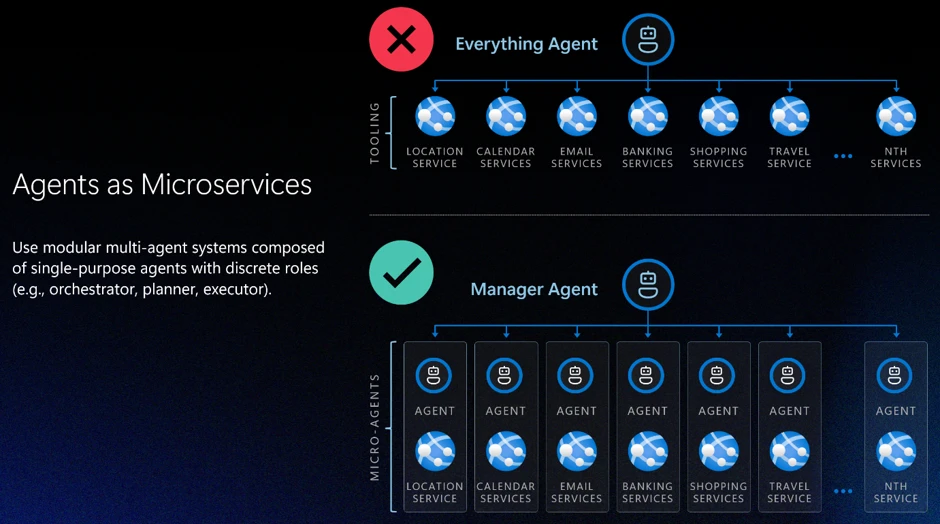
Defense in depth for autonomous AI agents
As AI agents gain autonomy, defense in depth must evolve, with application-layer design, identity, and human oversight at the center. The post Defense in depth for autonomous AI agents appeared first ...
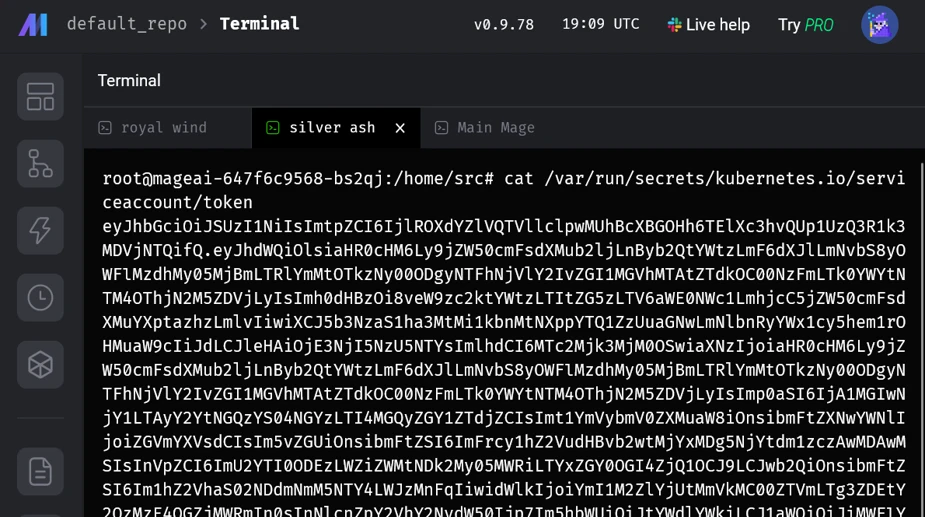
When configuration becomes a vulnerability: Exploitable misconfigurations in AI apps
Exposed UIs, weak authentication, and risky defaults could turn cloud-native AI apps on Kubernetes into potential targets by threat actors. Learn how exploitable misconfigurations lead to RCE and data...

The Evolution of PAM: From Password Vaults to JIT Access
TL;DR: Privileged Access Management (PAM) was originally designed to solve a very real problem: credential sprawl. In most environments, admin
Mona, tellme - AI-assisted analysis 🧠
With mona , debugger automation took a major leap forward. Now, with the new tellme / ai command, mona can collect crash context, heap information, registers, call stacks, disassembly, memory mappings...
Kukurigu LPE - Linux Kernel Privilege Escalation (CVE-2026-43284 / CVE-2026-43500)
Topic: Kukurigu LPE - Linux Kernel Privilege Escalation (CVE-2026-43284 / CVE-2026-43500) Risk: Medium Text:# Titles: Kukurigu LPE - Linux Kernel Privilege Escalation (CVE-2026-43284 / CVE-2026-43500)...
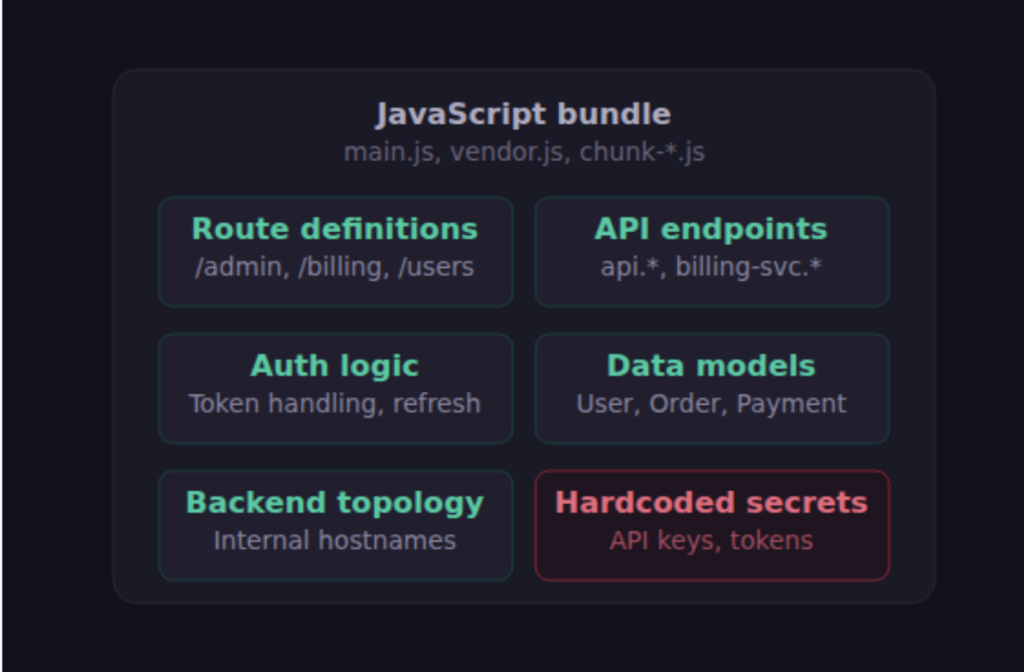
Your Login Page Is Lying: What AI Agents Find When They Read Your Frontend
TL;DR: Single-page applications ship their entire frontend codebase to every visitor, including unauthenticated ones. Even a login page with no visible functionality delivers JavaScript bundles contai...
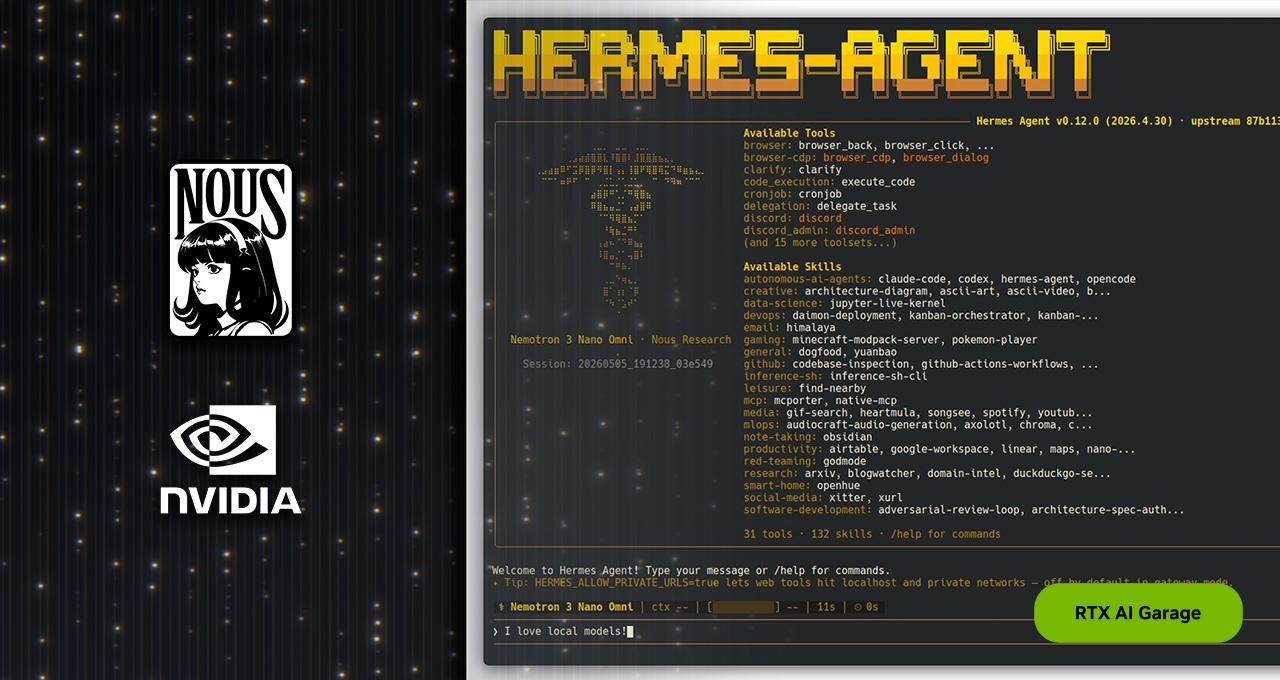
Hermes Unlocks Self-Improving AI Agents, Powered by NVIDIA RTX PCs and DGX Spark
Agentic AI is changing the way users get work done. Following the success of OpenClaw, the community is embracing new open source agentic frameworks. The latest is Hermes Agent, which crossed 140,000 ...
AI Vulnerability Research and the Fuzzer Era Déjà Vu: Why the Numbers Are Only Half the Story
The post AI Vulnerability Research and the Fuzzer Era Déjà Vu: Why the Numbers Are Only Half the Story appeared first on VoidSec.